News
European Energy Communities Forum 2026: a meeting for hope and resilience
This year’s European Energy Communities Forum happened from 5 to 7 May in Jūrmala - a seaside Latvian city, located not far from the maritime border of Russia, still used to transport fossil gas to Europe. Considering the instability and high energy prices driven by geopolitical tensions in Middle East and Europe, the forum was a landmark of hope for the future of energy democracy in Europe and beyond.
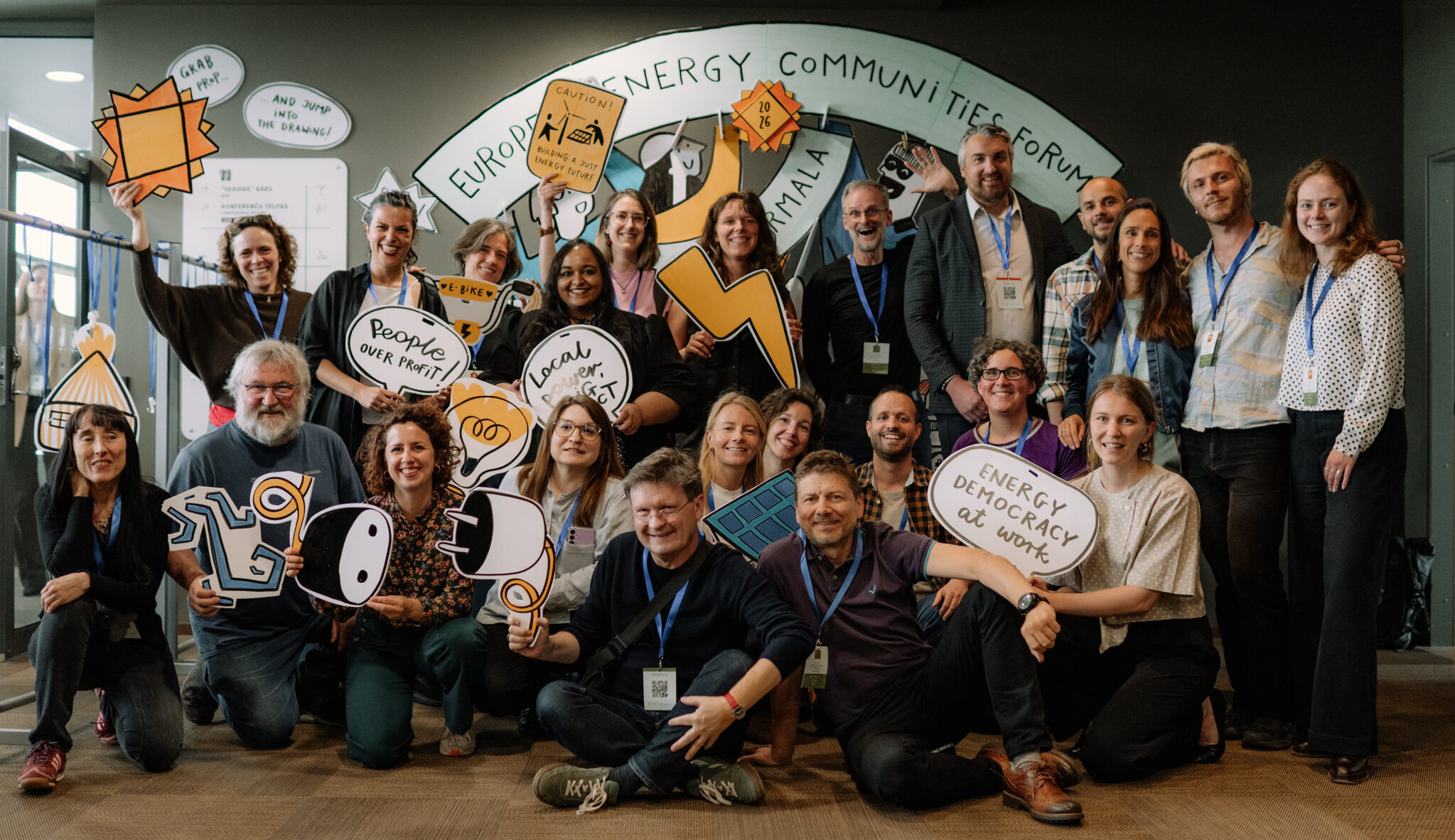
REScoop.eu co-organised the event together with the Latvian Rural Forum, an organisation that plays a critical role in promoting community energy in rural areas in Latvia. The forum brought together about 200 participants from across Europe, including community leaders, policymakers, municipal representatives, and citizens interested in launching an energy community in their region. The atmosphere of the event was vibrant, with positive vibes and energetic conversations surrounding the audience.
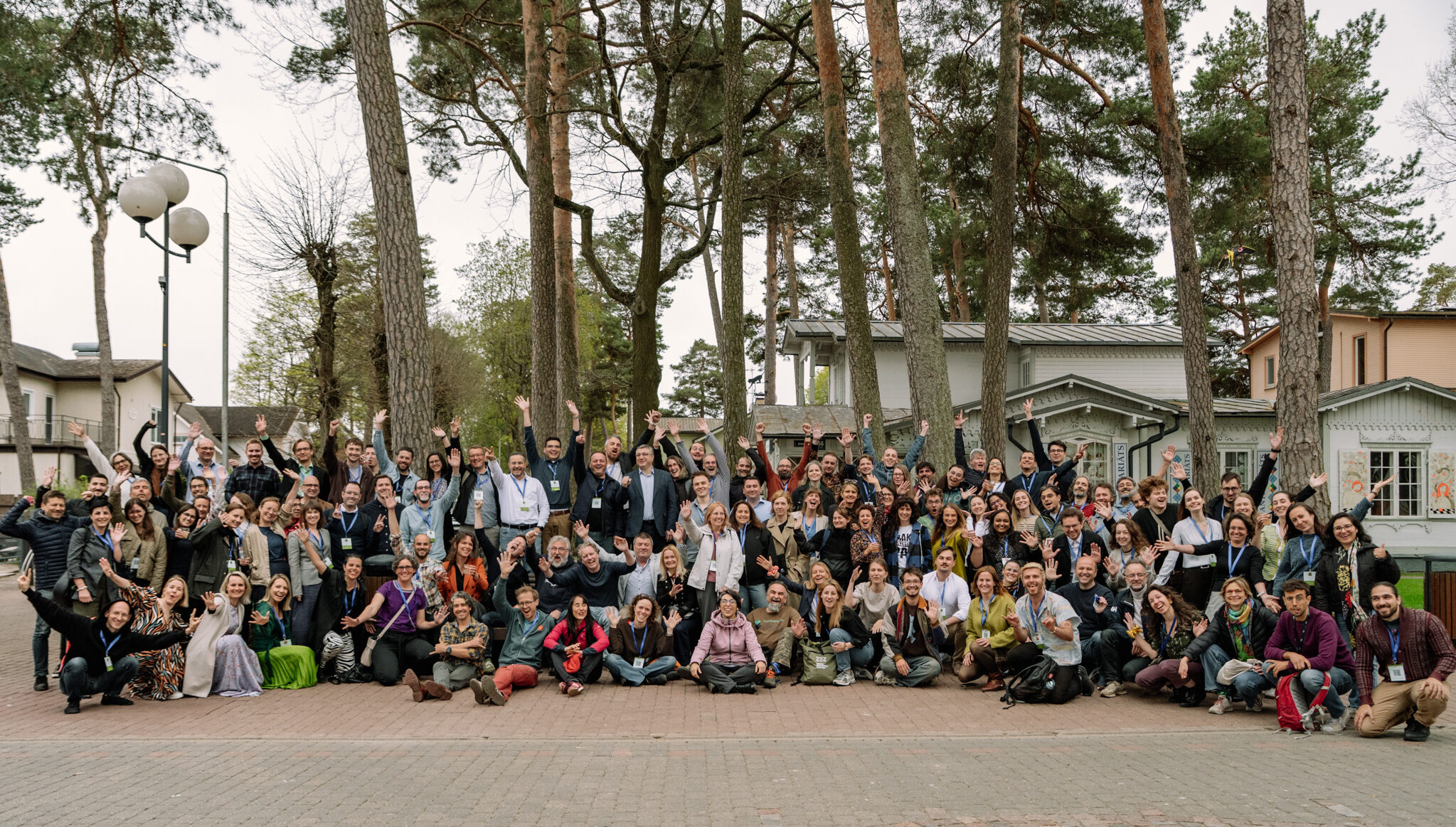
The forum was an opportunity to open discussions on how to amplify the network of energy communities in Latvia, as it is a relatively new concept in the country, with the legislation of energy communities only adopted in 2024. During the opening speeches, the Latvian Minister of Climate and Energy, Kaspars Melnis, expressed his support for accelerating the uptake of community energy, saying: “Energy communities produce and use their own energy, but they also do something else: each kilowatt of homegrown energy gives us energy security and stability.”
Knowledge sharing to broaden the community energy network
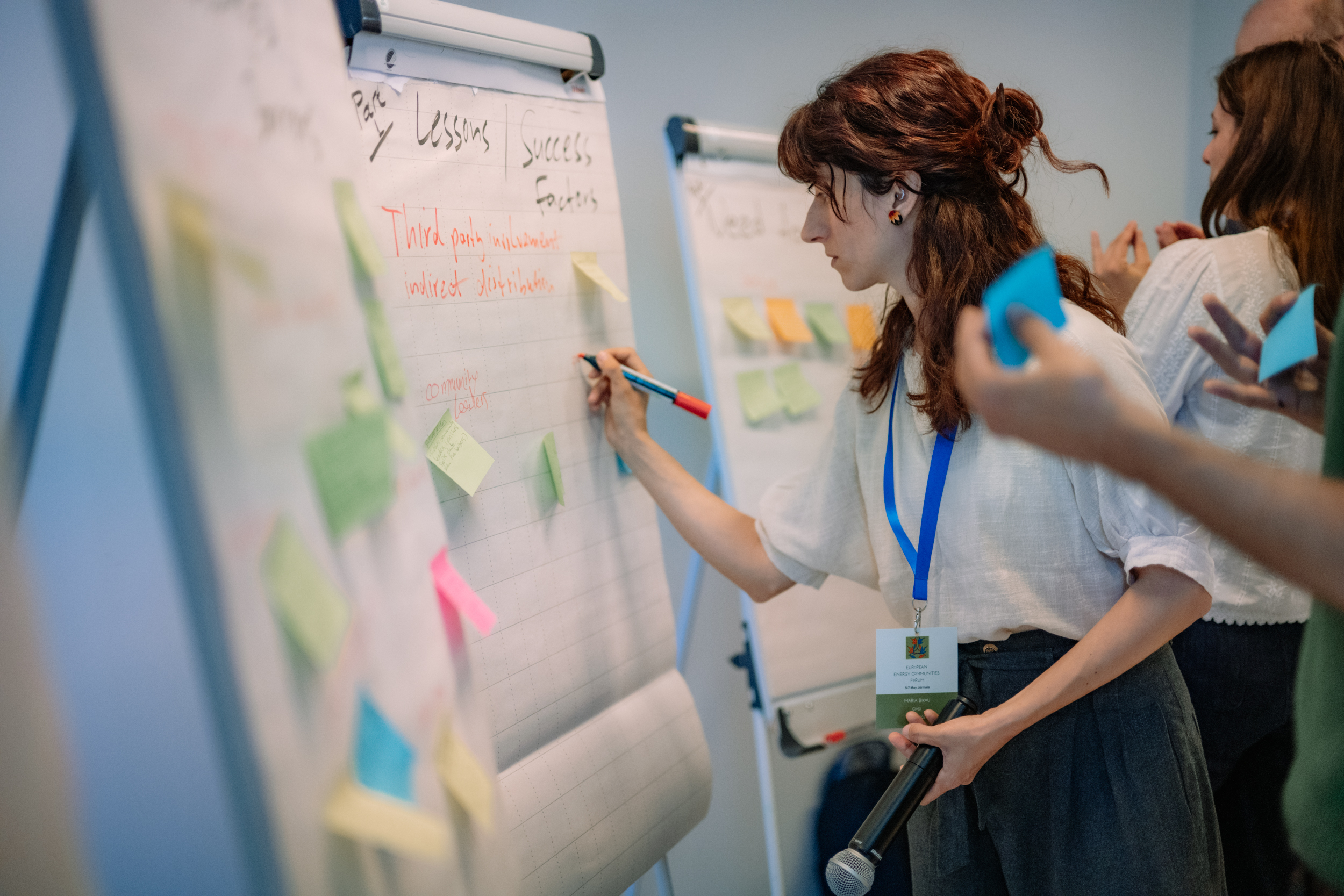
Participants shared challenges and exchanged good practices during multiple sessions and interactive workshops. The themes were diverse. Social benefits, gaining legitimacy, and inclusion were some of the topics covered, along with solutions for a more resilient and democratic energy transition. A special focus was on rural energy communities, examining how democratic decision-making is affected during harsh periods and how to engage these communities in the energy transition. The coordinator of the European Energy Communities Facility, Sofia Corsi, presented the project's second call for proposals - a new opportunity for energy communities to apply for a €45,000 grant to develop their business plan.
However, energy communities still face multiple challenges and need further support. Bureaucratic hurdles, insufficient financing, and ambiguous legislation are some of the barriers participants mentioned. One thing is certain: many European countries need transparent and accessible frameworks to enable the democratic transformation of the energy system.
During the policy session on the opportunities and challenges that the Citizens Energy Package presents for energy communities, Achille Hannoset from DG ENER was present. He introduced the Citizens Energy Package and answered participants’ questions.
A member of Ecovision shared concerns about the long waiting time, up to a decade, for establishing a wind farm in Ireland. Achille responded by stating, “Permitting is a huge issue, but the Commission has enshrined acceleration areas, which can also benefit energy communities. For small scale projects, we recommend removing permitting requirements.” Another question came from Kyriaki Metaxa, representative of the Heinrich Böll Foundation in Thessaloniki, Greece. Kyriaki asked how to avoid the abusive practices by corporate companies. Achille highlighted that using definitions can set boundaries and help resolve this challenge. Most importantly, he emphasized that the Citizens Energy Package aims to ensure affordability and resilience for households.
Connecting through informal contexts
Energy communities are not only a technological concept. As Elgars Felcis, researcher at the University of Latvia noted in the panel discussion on community ownership as resilience infrastructure, they still require a grounded community at their core. Elgar emphasised that knowing how to work with people and build relationships is key to creating energy communities and addressing with climate anxiety.
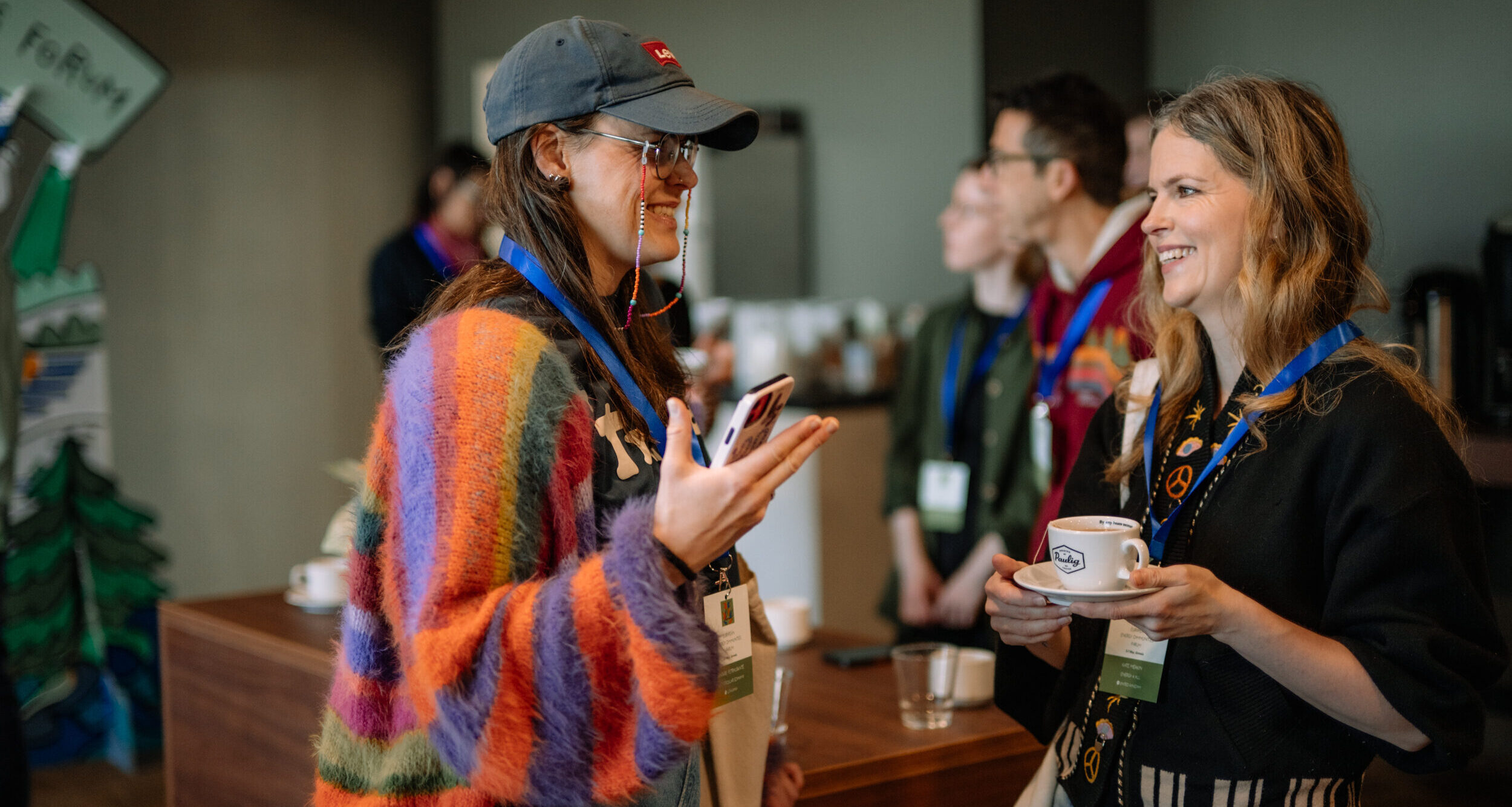
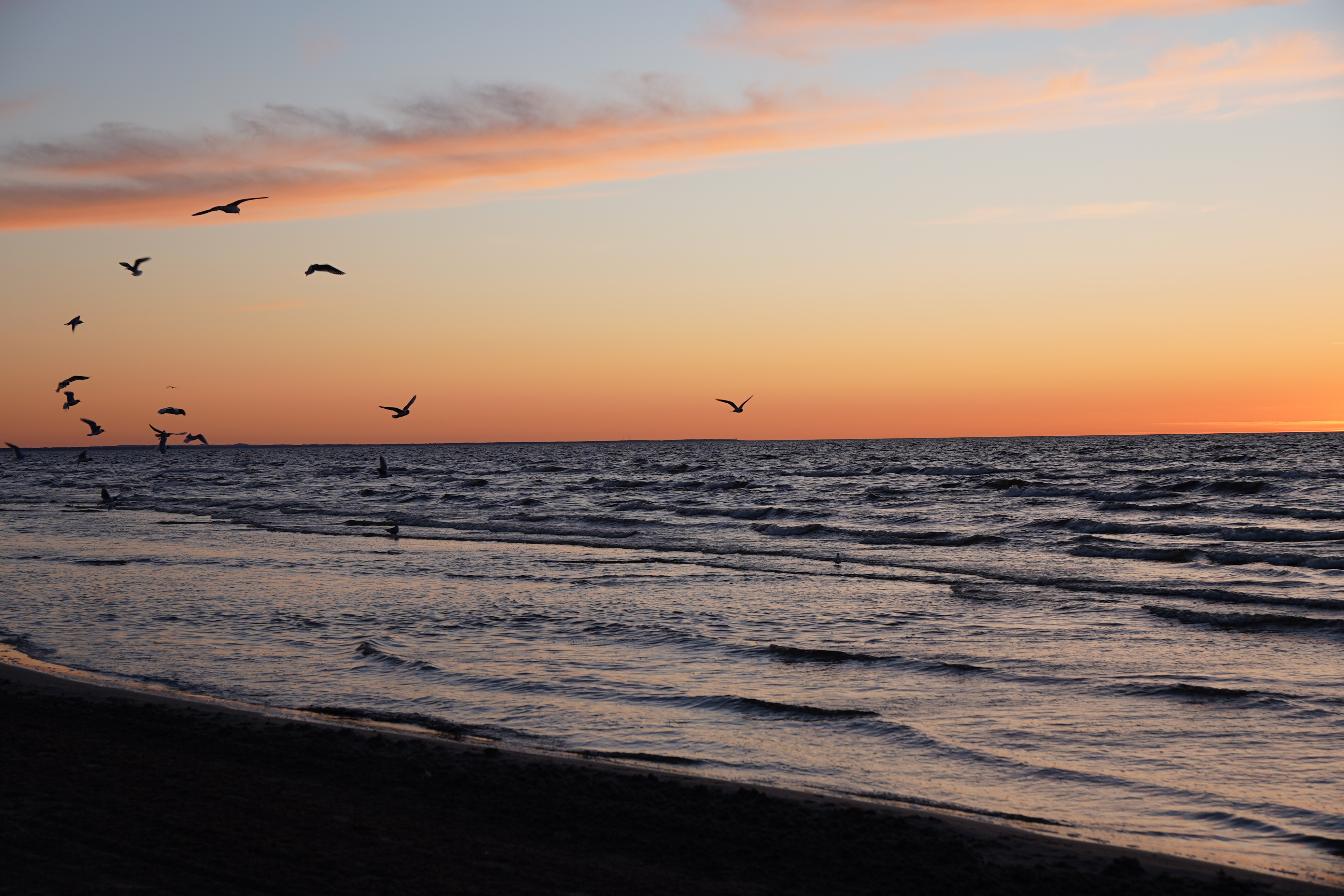
The forum helped build such connections. During informal moments, participants shared personal experiences about heating their homes, explored joint projects while enjoying the sunset in front of the Baltic Sea, or shared tips to increase citizen engagement over coffee. The all-female organising team took great care to ensure this event’s friendly atmosphere. Anita Seļicka, Executive Director of the Latvian Rural Forum, warmly told participants: “Each and every one did an amazing job to create a thriving energy, giving out the best they could. And I think that’s one of the sources of energy communities – to work in a very powerful way to grow this movement.”
A message to remember
During the forum’s closing remarks, Ilonka Marselis, Vice-president of REScoop.eu, shared a positive message reflecting on the role of energy communities in shaping a better future. “Energy communities are really playing a big role in creating resilient communities, energy democracy and fair prices”. And she continued “We are a movement of collaboration and inclusivity. We are not a movement of competition or exclusivity. I hope you could feel that during this forum. It was great seeing everyone’s willingness to openly share what they’re working on, what their challenges are, and hoping to cooperate with each other across borders.”
Looking ahead, we are looking forward to seeing the progress happening until our next annual forum!