Stories
Success story: Building a global network for energy democracy
Community energy is key to action on the climate crisis. It can empower people, boost local economies, and reinvigorate communities. Community-led initiatives play an important role in the transition towards a 100% renewable and just energy future. Success stories of community energy projects can be found all over the world. At REScoop.eu we want to highlight these stories to further accelerate the movement towards a cleaner and democratic system.
Last month, more than 200 community energy leaders from 70 countries met in Brasilia, Brazil, to build a global network of solidarity to promote community energy. In this success story, we travel around the world to hear the voices of some of these leaders and learn more about the community energy movement beyond our borders.
Stronger together: how global solidarity is driving energy democracy
From Palestine to Fiji, and from the Philippines to Kenya, thousands of communities are organising locally to install photovoltaic panels, small wind turbines, batteries and microgrids to achieve energy independence.
In April, hundreds of activists from these communities gathered in the outskirts of Brasilia at the initiative of 350.org. During a week, they exchanged best practices, shared resources, and built connections to strengthen the community energy movement at global level and boost cross-border cooperation ahead of COP30, which will also take place in Brazil in November 2025.
The shift to renewable energy is an economic and moral imperative of the 21st century. In Europe alone, such a transition combined with ambitious climate policies would benefit the bloc’s economy to the tune of €1 trillion. At the same time, renewable energy projects by local communities bring 2 to 8 times more benefits to the local economy than projects carried out by external developers (as solar and wind power projects have shown).
For countries in the Global South, the transition to decentralised, community-based renewable energy systems is a question of access to a dignified way of life. In Jamaica, a woman's PV and battery system powers the freezer that cools her insulin. In Nepal, a microgrid electrifies a remote mountain village with solar power. In Ecuador, indigenous people in the Amazon installed electric motors in their boats to navigate cheaply and avoid polluting local river tributaries.
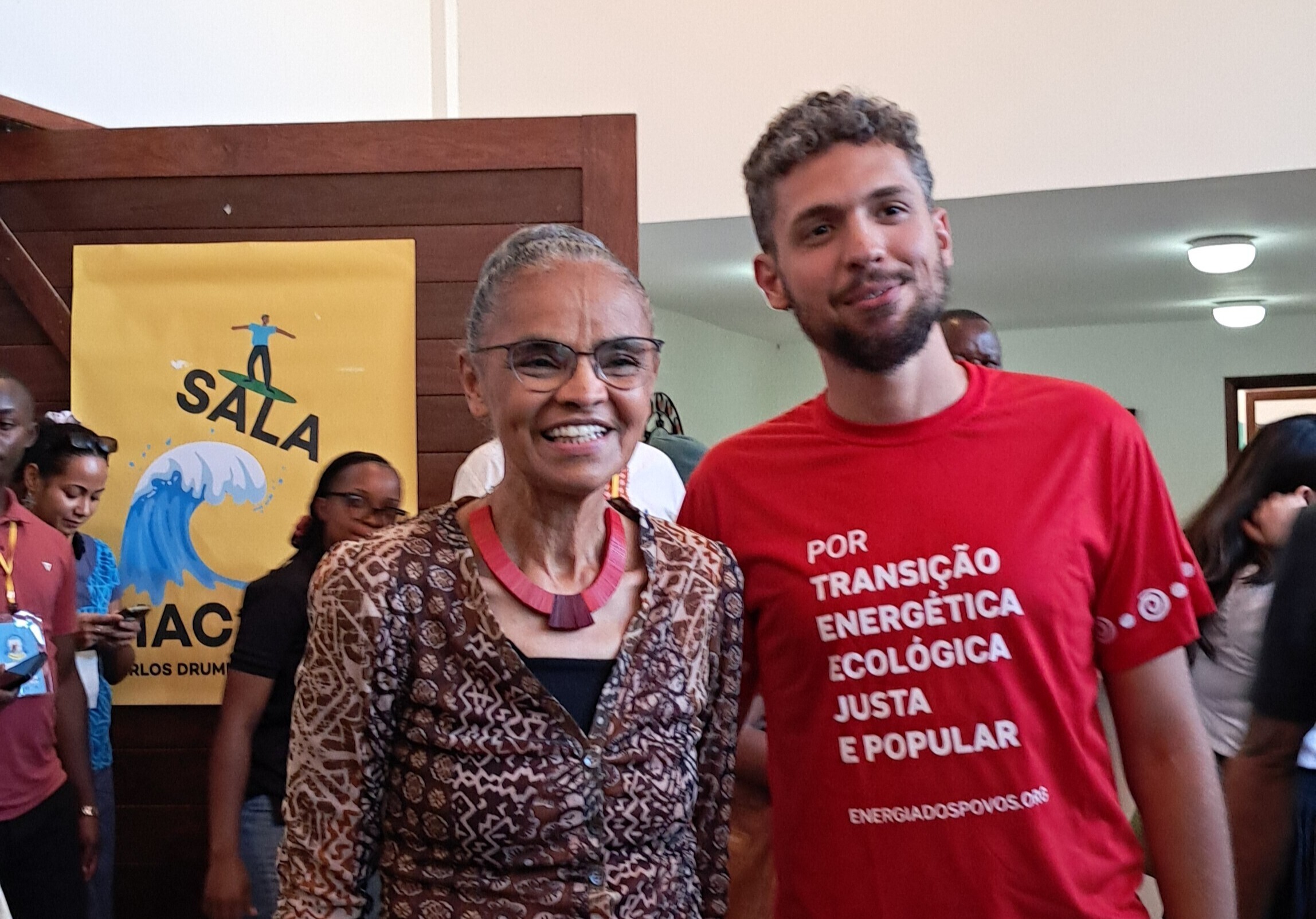
During the gathering, Brazil's Environment Minister Marina Silva stressed the urgent need for a globally just energy transition and dozens of activists shared how they are promoting energy democracy in their countries. These are some of their stories.
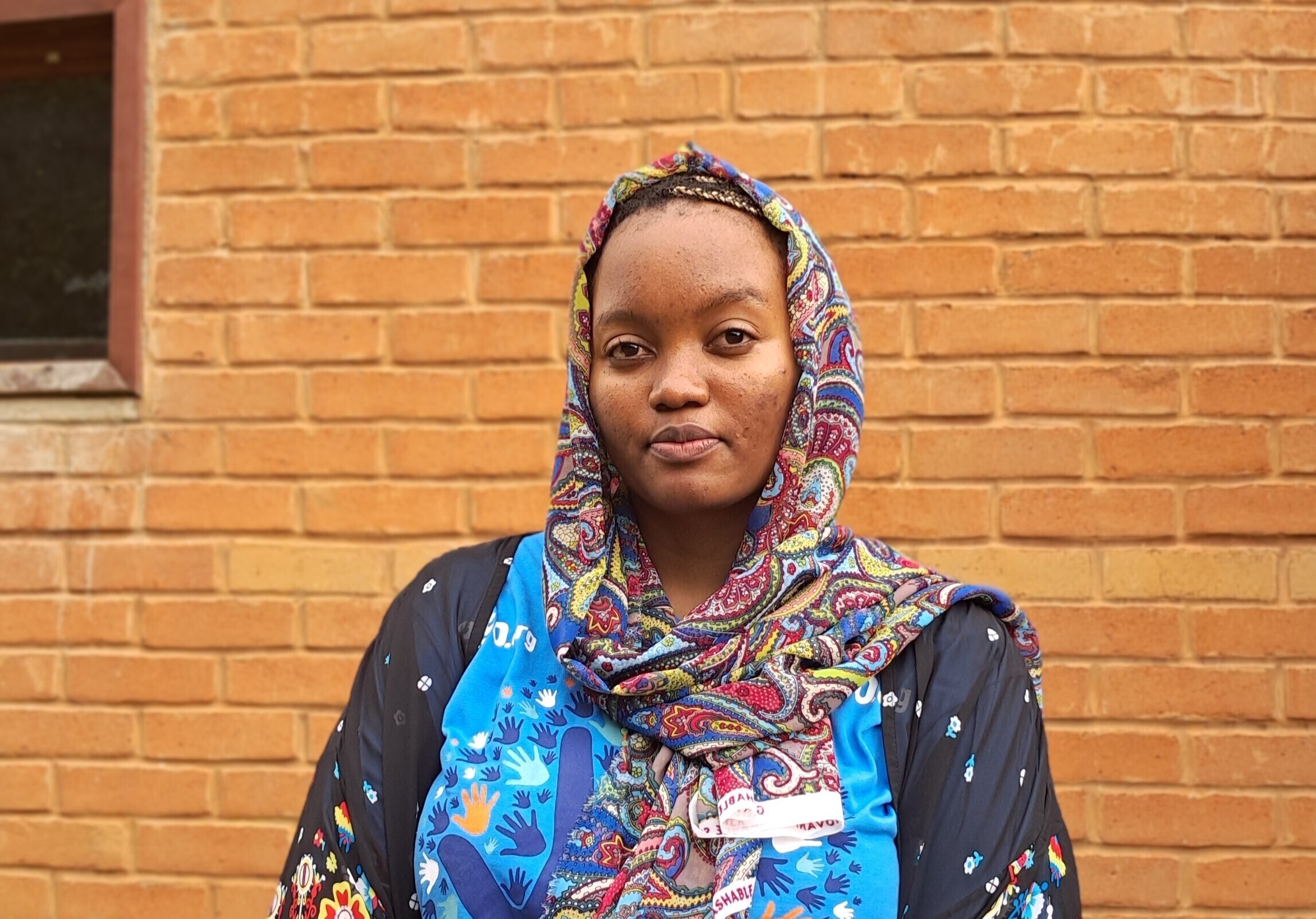
"I am an organiser at 350 Africa and coordinator of the AfrikaVuka Network, which connects around 300 African civic groups. My role is to amplify the diverse voices and leadership skills within the network. A few years ago, we stopped the construction of a coal plant in an area of cultural interest and this victory made us ask ourselves 'Since we are saying no to harmful forms of energy, what are we saying yes to? That's when we realised we want energy democracy: placing local communities in a central decision-making role regarding the solutions we need."
Rukiya Khamis, Kenya
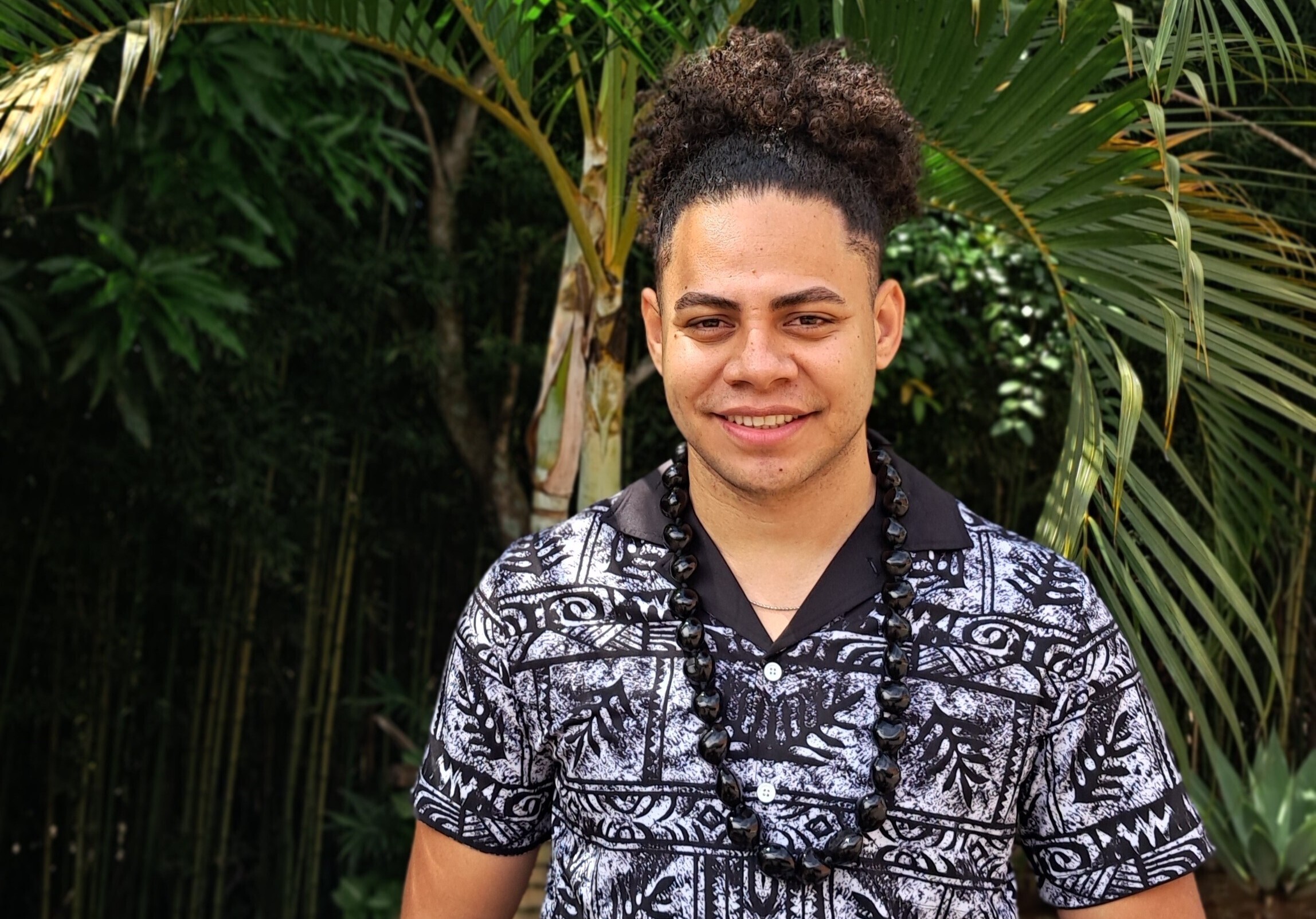
“I work with the Pacific Islands Climate Action Network, a network of 190 stakeholders from the Solomon Islands, Kiribati, Tuvalu and Vanuatu, to coordinate regionally on achieving an equitable climate transition. We are striving to get universal access to renewable energy for our island countries, while creating a framework for sustainable management of the rare earths found in our seas – the same rare earths that are used to power the global energy transition.”
Dylan Kava, Fiji
"I work for Jovenes por el Clima, an organisation that promotes climate justice in Argentina. Specifically, I coordinate a project that promotes renewable energy technologies in marginalised neighbourhoods in Buenos Aires. Through the installation of PV systems, vocational training programs and broader climate education, we are trying to create good green jobs for local residents."
Paz Mattenet Riva, Argentina

"I work for Oxfam in the occupied Palestinian territories focusing on economic justice and the green transition. We work with women, youth, and farmers, empowering them with technical and financial support to implement their own renewable energy projects. For example, we provide farmers with irrigation pumps that are powered by small photovoltaic panels. We try to support especially those who lost their jobs after Israel's invasion of Gaza."
Majd Alkhoury, Palestine

“Through our organisations, Youth Advocates for Climate Action Philippines and 350 Pilipinas, we are activating different community groups, such as youth, fishermen, labour unions and artists, to build the necessary know-how to install and operate small renewable energy systems: photovoltaic panels, irrigation pumps, and even mobile phone chargers.”
Mitzi Jonelle and Tan Afread De Mesa, Philippines

Inspiration for the energy transition
As one participant from Samoa noted during the gathering, “I am not self-made, I am a product of my community, my village, my networks.” The above stories are not meant to highlight the unique stories of some enlightened individuals. These stories are inextricably linked elements of a global movement rooted in the notion of community as a cell of revolution. As the world undergoes the (necessary and urgent) transition from fossil fuels to renewables, we must ensure that this is done with social participation and in a democratic way. The links forged in Brasilia are a small step in this direction, and the stories of the participants, inspiration and energy for everybody fighting for energy democracy.